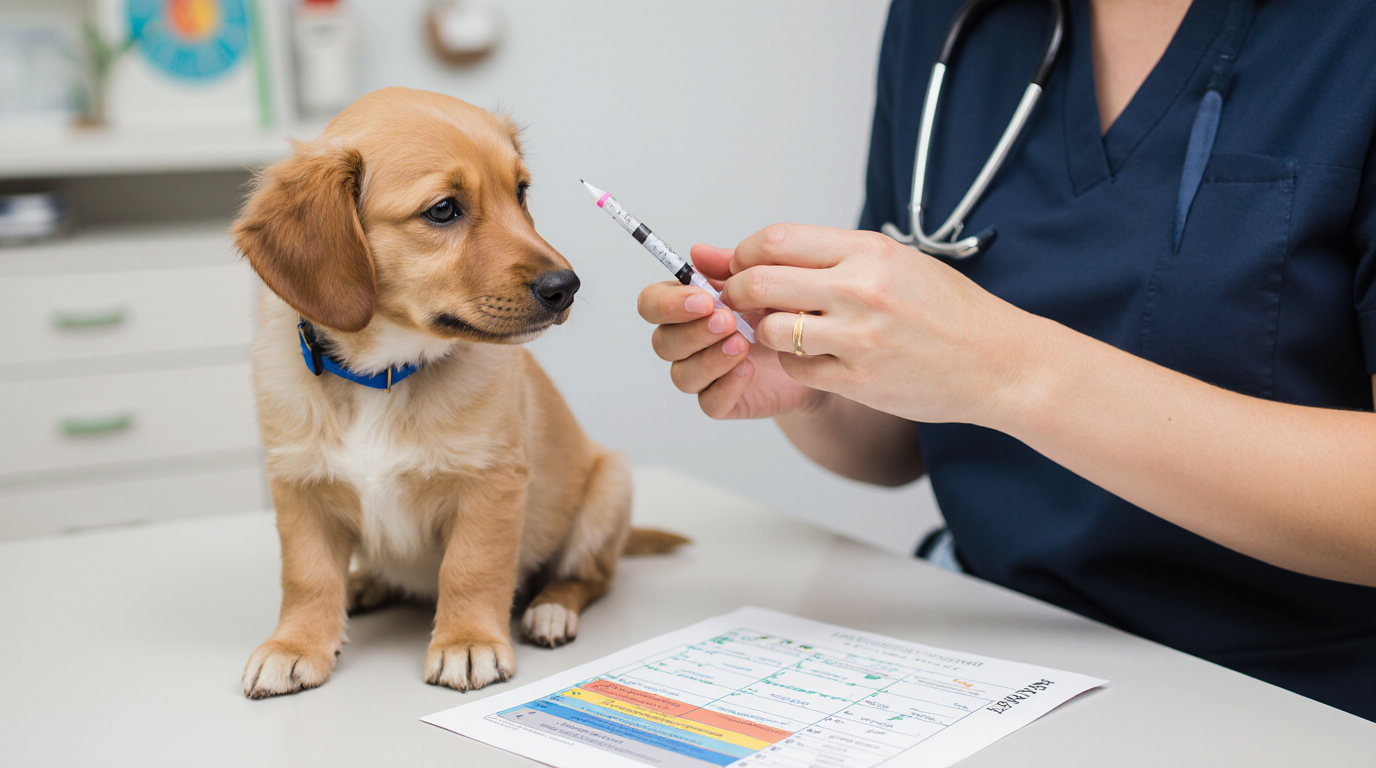
puppy vaccination schedule
Never Miss a Shot: Your Personalized & Interactive Puppy Vaccination Schedule Guide (Vet-Approved!)
A typical puppy vaccination schedule begins at 6-8 weeks, followed by boosters every 3-4 weeks until 16 weeks of age, protecting against core diseases like Distemper, Adenovirus, Parvovirus, and Rabies. This comprehensive guide provides everything you need to know about your puppy’s vaccination schedule, including our interactive tool below for a personalized timeline developed with veterinary experts.
Interactive Puppy Vaccination Schedule Tool
🐕 Get Your Personalized Puppy Shots Timeline
Enter your puppy’s information below to receive a customized vaccination schedule based on current veterinary guidelines.
Core Puppy Vaccination Schedule – Standard Timeline
Understanding the first puppy vaccinations timeline is crucial for every new dog owner. This standard schedule represents the foundation recommended by the American Veterinary Medical Association and most veterinary professionals worldwide.
| Age | Vaccine | Disease Protected Against | Notes |
|---|---|---|---|
| 6-8 weeks | DHPP (Core) | Distemper, Hepatitis, Parvovirus, Parainfluenza | First round – maternal antibodies may still interfere |
| 10-12 weeks | DHPP + Bordetella | Same as above + Kennel Cough | Second round – crucial booster period |
| 12-16 weeks | Rabies (Core) | Rabies virus | Single dose – legally required in most areas |
| 14-16 weeks | DHPP final + Optional vaccines | Complete core protection + Lifestyle-based | Final puppy series – adult immunity begins |
| 12-16 months | Annual boosters | All previous vaccines | Maintains immunity – frequency may vary |
Source: American Veterinary Medical Association Guidelines for Canine Vaccination, 2023
Deep Dive: Understanding Each Vaccine
🦠 DHPP Combination Vaccine (Core)
What it protects against: This combination vaccine protects against four serious diseases – Distemper (neurological disease), Hepatitis/Adenovirus (liver and respiratory disease), Parvovirus (severe intestinal disease), and Parainfluenza (respiratory infection).
Why it’s important: These diseases can be fatal, especially in puppies. Parvovirus alone has a mortality rate of 80-90% in untreated puppies under 12 weeks.
How it’s given: Subcutaneous injection, typically in the scruff of the neck or between shoulder blades.
Schedule: Given every 3-4 weeks from 6-8 weeks until 16 weeks of age, then annually.
🔬 Rabies Vaccine (Core)
What it protects against: Rabies virus, which affects the central nervous system and is always fatal once symptoms appear.
Why it’s important: Rabies is a zoonotic disease (transmissible to humans) and vaccination is legally required in most jurisdictions.
How it’s given: Single intramuscular injection, usually in the rear leg muscle.
Schedule: One dose between 12-16 weeks, then annually or every 3 years depending on local laws and vaccine type.
🫁 Bordetella (Kennel Cough) – Non-Core
What it protects against: Bordetella bronchiseptica, the primary bacterial cause of kennel cough.
Why it’s important: Essential for puppies that will be socializing with other dogs, attending daycare, or boarding.
How it’s given: Can be given as nasal spray or injection.
Regional relevance: More critical in urban areas with high dog populations and boarding facilities.
🦟 Lyme Disease Vaccine – Non-Core
What it protects against: Borrelia burgdorferi, the bacteria that causes Lyme disease transmitted by deer ticks.
Regional relevance: Most important in Northeast and Upper Midwest regions where Lyme disease is endemic.
Schedule: Initial vaccine followed by booster 3-4 weeks later, then annually.
🐕 Canine Influenza – Non-Core
What it protects against: H3N8 and H3N2 strains of canine influenza virus.
Why it’s recommended: For dogs frequenting boarding facilities, dog parks, or areas with known outbreaks.
Schedule: Two doses 3-4 weeks apart, then annually.
Beyond the Schedule: Key Considerations
🕒 Timing and Maternal Antibodies
Puppies receive antibodies from their mother through nursing, which provides temporary protection but also interferes with vaccination effectiveness. This creates a “window of susceptibility” typically between 6-16 weeks when maternal antibodies decline but vaccine-induced immunity hasn’t fully developed.
Source: Journal of Veterinary Internal Medicine – Maternal Antibody Studies in Puppies, 2022
💰 Puppy Vaccine Cost Considerations
Typical costs for a complete puppy vaccination series:
- Core vaccines (DHPP + Rabies): $200-$400 total
- Non-core vaccines: $50-$150 each
- Total first-year cost: $300-$700 depending on location and clinic type
- Low-cost clinic options: $100-$250 for basic series
Costs vary significantly by geographic region, clinic type, and local market conditions. Urban areas typically cost 20-50% more than rural locations.
⚠️ Vaccine Reactions and What to Watch For
Normal mild reactions (24-48 hours):
- Mild lethargy or decreased activity
- Soreness at injection site
- Low-grade fever
- Decreased appetite
Emergency reactions requiring immediate veterinary care:
- Facial swelling or hives
- Difficulty breathing
- Severe vomiting or diarrhea
- Collapse or extreme weakness
🧬 Vaccine Titers: An Alternative Approach
Vaccine titers measure antibody levels in the blood to determine immunity status. Some veterinarians recommend titer testing instead of automatic annual boosters for adult dogs, though this approach is more expensive initially.
❌ Common Vaccination Myths Debunked
- Myth: “Too many vaccines at once overwhelm the immune system”
Fact: Puppies encounter thousands of antigens daily; vaccine antigens are minimal in comparison. - Myth: “Natural immunity is better than vaccines”
Fact: Natural infection carries significant risk of death or permanent damage. - Myth: “Small dogs need smaller vaccine doses”
Fact: Vaccine doses are standardized regardless of dog size for optimal immune response.
Comprehensive FAQ Section
🩺 Questions to Ask Your Veterinarian
- Which non-core vaccines does my puppy need based on our lifestyle and location?
- What is your protocol if my puppy has a vaccine reaction?
- How do you determine when to transition from puppy to adult vaccination schedules?
- Do you recommend titer testing instead of automatic boosters for adult dogs?
- What are the specific disease risks in our area that might affect vaccination decisions?
Remember: This guide provides general information based on current veterinary standards. Your puppy’s individual needs may vary based on health status, breed, lifestyle, and regional disease prevalence. Always work with a licensed veterinarian to develop the best vaccination plan for your specific situation.
Sources: American Veterinary Medical Association, World Small Animal Veterinary Association Global Vaccination Guidelines, American Animal Hospital Association Canine Vaccination Guidelines, Journal of Veterinary Internal Medicine


Puppy Vaccination Schedule 2025: Essential Guide for Every Dog Owner
Welcoming a new puppy into your home is an exciting milestone, but with that joy comes responsibility. One of the most critical responsibilities is ensuring that your pup receives the right vaccines at the right time. Following a proper puppy vaccination schedule not only protects your furry friend from dangerous diseases but also ensures long-term health and well-being.
In this comprehensive guide, you’ll learn everything about the puppy vaccination schedule, why it matters, what vaccines are necessary, and how to keep your puppy protected in 2025 and beyond.
Why a Puppy Vaccination Schedule Matters
A puppy vaccination schedule is more than just a checklist — it’s a structured plan that helps your vet administer vaccines at the correct stages of development. Puppies are born with some immunity from their mother’s milk, but this protection fades within weeks. Without timely vaccinations, your pup is vulnerable to life-threatening illnesses such as parvovirus, distemper, and rabies.
By sticking to the recommended puppy vaccination schedule, you:
- Build your puppy’s immune system.
- Prevent costly veterinary emergencies.
- Protect other dogs (and sometimes humans).
- Comply with local laws, especially for rabies vaccines.
Core vs. Non-Core Vaccines
When planning a puppy vaccination schedule, it’s important to understand the difference between core and non-core vaccines:
- Core Vaccines: Essential for all puppies, regardless of lifestyle. These include rabies, parvovirus, distemper, and adenovirus.
- Non-Core Vaccines: Given based on environment, location, or lifestyle (e.g., bordetella for dogs in kennels, Lyme disease for tick-prone areas, leptospirosis in rural regions).
A trusted vet will help customize your puppy’s vaccination schedule based on these factors.
Standard Puppy Vaccination Schedule (2025)
Here’s a typical puppy vaccination schedule recommended by veterinarians:
| Puppy Age | Core Vaccines | Non-Core Options | Notes |
|---|---|---|---|
| 6–8 weeks | Distemper, Parvovirus | Bordetella (optional) | First core set begins. |
| 10–12 weeks | DHPP (Distemper, Hepatitis, Parainfluenza, Parvovirus) | Lyme, Leptospirosis | Booster round starts. |
| 14–16 weeks | DHPP + Rabies | Bordetella (booster), Lyme | Rabies is legally required in most regions. |
| 12–16 months | DHPP + Rabies booster | Leptospirosis, Bordetella, Lyme | Ensures long-term protection. |
| Every 1–3 years | DHPP, Rabies (as required by law) | Depends on exposure risk | Follow-up boosters per vet’s advice. |
💡 Tip: Always keep a printed copy of your puppy vaccination schedule to track each shot.
What Happens If You Miss a Vaccine?
Skipping a vaccine or delaying the puppy vaccination schedule can leave your pup unprotected. In most cases, your veterinarian will simply adjust the schedule and catch your dog up safely. However, missing rabies vaccination may have legal consequences, depending on your location.
Side Effects of Puppy Vaccines
Most puppies handle vaccines well, but some mild side effects can appear:
- Temporary soreness at the injection site.
- Low energy or mild fever.
- Reduced appetite for a day.
Severe allergic reactions are rare but possible. Watch for swelling, vomiting, or difficulty breathing, and contact your vet immediately if these occur. Remember, the risks of skipping the puppy vaccination schedule far outweigh the minor side effects.
How Much Does a Puppy Vaccination Schedule Cost?
The cost of a puppy vaccination schedule varies depending on location and the vet clinic. On average:
- Initial puppy vaccinations: $75 – $200.
- Annual boosters: $50 – $150.
- Rabies vaccination (often required by law): $15 – $25 at low-cost clinics.
Some animal shelters or non-profits offer discounted vaccine packages, making it easier for owners to follow the full schedule.
Puppy Vaccination Schedule and Socialization
Many owners wonder: “Can I take my puppy outside before finishing the vaccination schedule?”
The answer is: with caution. Puppies should not interact with unknown dogs or visit dog parks until they’ve had their full puppy vaccination schedule (usually by 16 weeks). However, early socialization is still important. Safe ways include:
- Controlled playdates with fully vaccinated dogs.
- Carrying your puppy in public places for exposure to sights and sounds.
- Visiting pet-friendly shops where puppy paws don’t touch the ground.
Common Myths About Puppy Vaccination Schedules
🔸 Myth 1: One vaccine is enough.
Wrong — most vaccines require multiple boosters for full protection.
🔸 Myth 2: Indoor dogs don’t need vaccines.
Even indoor puppies can be exposed to viruses through people, shoes, or contaminated objects.
🔸 Myth 3: Vaccines are unsafe.
Decades of research show vaccines are overwhelmingly safe and critical for long-term health.
Key Takeaways
- A proper puppy vaccination schedule is essential for your puppy’s health.
- Start vaccines at 6–8 weeks and continue until at least 16 weeks.
- Both core and non-core vaccines may be needed depending on your puppy’s environment.
- Always consult your veterinarian for a customized vaccination plan.
- Keeping track of the schedule ensures your puppy grows into a healthy, happy adult dog.
FAQs About Puppy Vaccination Schedule
1. At what age should I start my puppy’s vaccination schedule?
Puppies usually begin at 6–8 weeks old.
2. How often do puppies need vaccines?
Every 3–4 weeks until they reach 16 weeks, then annual or tri-annual boosters.
3. Do all puppies need the same vaccines?
Core vaccines are universal, but non-core vaccines depend on environment and lifestyle.
4. Can I vaccinate my puppy at home?
It’s safer to have a licensed vet administer vaccines to avoid mistakes and ensure legal compliance.
5. What happens if I don’t vaccinate my puppy?
The puppy will remain vulnerable to deadly diseases like parvo, distemper, and rabies.
Final Thoughts
A well-planned puppy vaccination schedule is one of the most important commitments you can make to your new best friend. It’s not just about preventing illness today — it’s about ensuring your dog has a long, happy, and healthy life.
By following the recommended puppy vaccination schedule 2025, consulting your vet, and staying consistent, you’ll protect your pup while giving yourself peace of mind.